Market-leading computer vision with scientifically verified accuracy.
Adaptable to virtually any movement analysis use case, if you have a vision, Kemtai has the technology to power it.
Development Process
A Team of Experts
Kemtai’s product and engineering teams partner with you to build the tailored computer vision solution you need.
Superior Computer Vision Technology
Leveraging Kemtai’s best-of-breed computer vision models to fit your specific requirements.
Customized to Fit Your Needs
Starting with your goals, requirements, and guiding research, we develop an initial prototype. Through an iterative refinement process, we transform it together into a scalable, high-precision motion analysis tool for your specific use case.
Diverse Capabilities
Static postures and measurements
Precise analysis of body alignment, joint angles, and symmetry in held positions, enabling postural screenings, ergonomic assessments, and standardized baseline evaluations across the care episode.
Dynamic movement algorithms
Real-time tracking of movement quality, speed, and form throughout an exercise, powering live corrective feedback, functional movement screening, and objective documentation of how patients actually perform between visits.
Range of motion assessments
Marker-less goniometric measurement of joint mobility across the kinetic chain, replacing manual ROM testing with repeatable, quantifiable data that providers can trend over time to measure progress and demonstrate outcomes.
Sample Use Cases
Disease progression analysis
Longitudinal tracking of movement biomarkers in conditions like Parkinson’s, MS, muscular dystrophy, and stroke recovery, giving clinicians objective data to quantify decline, plateau, or improvement between visits and adjust treatment accordingly.
Pre-operative planning
Baseline biomechanical assessments before orthopedic procedures such as joint replacement or ACL reconstruction, establishing pre-surgery movement profiles that inform surgical decisions and benchmark post-operative recovery targets.
Treatment effectiveness measures
Quantifiable outcome data across rehab protocols, GLP-1 and weight management programs, and chronic care pathways, enabling providers and payers to demonstrate clinical impact and support value-based care contracts.
Injury risk assessment
Movement-quality screening that flags compensations, asymmetries, and biomechanical risk factors before they progress to injury, supporting return-to-play decisions, fall-risk programs in older adults, and proactive prevention in MSK populations.
Occupational health assessment
Objective functional capacity evaluations and work-readiness testing for employers, workers’ compensation programs, and disability assessments, replacing subjective evaluations with repeatable, defensible measurements.
Neuromuscular tracking
Detailed assessment of motor control, coordination, and muscle activation patterns in neurological and neuromuscular conditions, supporting clinical trials, post-stroke rehabilitation, and remote monitoring of patients with progressive disorders.
Ergonomics
Workplace and at-home posture and movement analysis that identifies risk factors driving musculoskeletal strain, enabling employers and occupational health providers to design targeted interventions and reduce MSK-related absenteeism and claims.
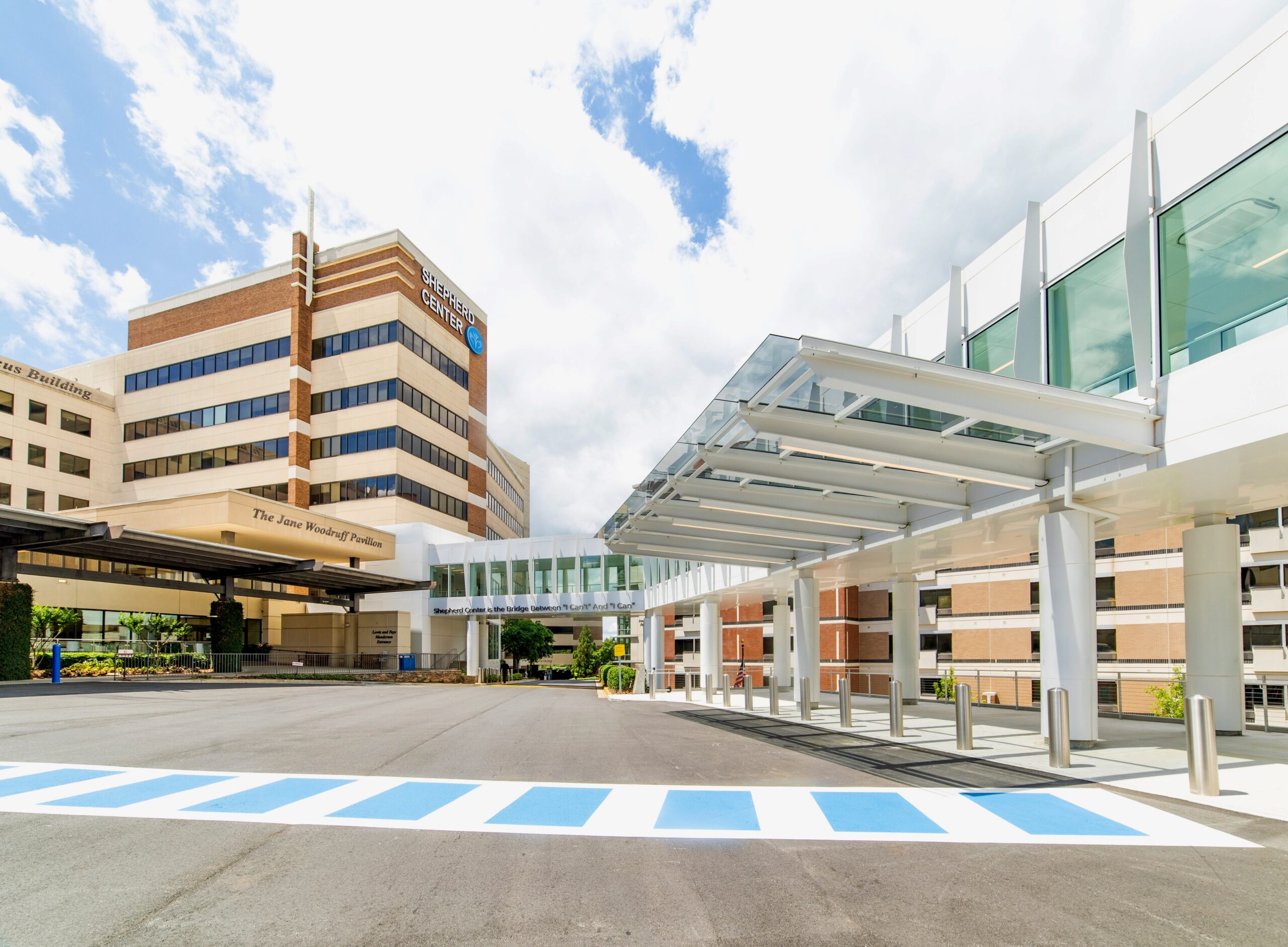
Case Study: Shepherd Center
Shepherd Center, a world-renowned hospital in Atlanta, Georgia, ranked among the top rehabilitation hospitals in the United States, partnered with Kemtai to develop an AI-powered postural assessment for people with brain injuries.